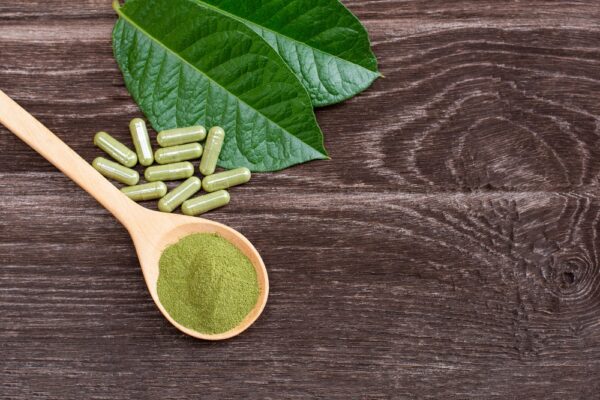
In 2020, Johns Hopkins Medicine researchers argued that kratom deserved study and regulation, not an outright ban. Based on an online survey of 2,798 self-reported users, the team said the herbal product appeared to have therapeutic potential for pain, anxiety, depression and opioid withdrawal, while showing a relatively low rate of abuse-related harm in the survey data; the original report is available on the Johns Hopkins Medicine website.
Kratom, or Mitragyna speciosa, is a tropical plant native to Southeast Asia and related to coffee trees. Johns Hopkins described it as a psychoactive herb whose main alkaloid, mitragynine, acts on brain opioid receptors and can alter mood, while the FDA’s kratom page notes that federal regulators continue to warn consumers about the product.
The survey results were not presented as proof of safety or effectiveness. Johns Hopkins explicitly cautioned that self-report surveys have limits and that scientific studies had not formally established kratom’s benefits or safety, even as the researchers argued that the data did not support treating it like a Schedule I drug.
For many respondents, kratom was being used as a symptom-management tool rather than a recreational product. In the survey, 91% said they used it for pain, 67% for anxiety and 65% for depression, and 41% said they took it to treat opioid withdrawal.
That opioid-withdrawal finding is one of the reasons kratom remains controversial. Among participants who used it for withdrawal, 35% reported going more than a year without prescription opioids or heroin, which led the Johns Hopkins researchers to say the substance merited deeper scientific evaluation as a possible aid in pain care and opioid use disorder.
The study’s lead author, Albert Garcia-Romeu, said the findings suggested kratom did not belong in the Schedule I category because there appeared to be a relatively low abuse potential and possible medical applications to explore. In the same article, he also warned against the kind of fearmongering that can follow because kratom is opioidlike and because of the scale of the opioid crisis.
The regulatory history explains why that message landed so strongly. Johns Hopkins reported that the DEA proposed banning commercial sale and use in 2016, while the FDA had advised Schedule I classification, but public and industry pushback stopped those actions from going forward at the time.
Participants in the survey were largely middle-aged, white and educated. Johns Hopkins said 61% were women, 90% were white, the average age was 40 and about 84% had at least some college education, with recruitment taking place online, through social media and via the American Kratom Association.
That sample matters because it suggests the people using kratom are often self-selecting into a consumer health market that sits outside mainstream medicine. The American Kratom Association has long argued for access and regulation rather than prohibition, and the Hopkins study reflected the organization’s role in the broader public debate even though the article itself remained focused on survey data.
Reported benefits were paired with a nontrivial but limited set of side effects. Johns Hopkins said about a third of participants experienced mild symptoms such as constipation, upset stomach or lethargy, and those effects usually resolved within a day; only 1.9% said side effects were severe enough to seek medical treatment.
Withdrawal symptoms were also reported, but by a minority of users. Fewer than 10% of survey participants said they experienced notable kratom-related withdrawal symptoms such as anxiety, irritability, depression or insomnia when the product wore off.
At the same time, the Hopkins researchers stressed that kratom products are unregulated and nonstandardized, which means contamination and dosing variability remain real concerns. They said FDA regulation would help control impurities and maintain safer levels of active chemicals, because otherwise consumers could end up with unsafe additives or unpredictable potency.
The FDA’s current public guidance remains cautious. Its kratom page says the agency has warned consumers not to use kratom because of risks including liver toxicity, seizures and substance use disorder, and that the substance is not lawfully marketed in the U.S. as a drug, dietary supplement or food additive.
That gap between user experience and regulatory concern is what keeps kratom in the spotlight. Johns Hopkins framed the plant as a possible alternative worth investigating, while the FDA continues to emphasize unapproved status, adverse events and contamination risks, leaving policymakers with an evidence base that is suggestive but not definitive.
What the 2020 survey ultimately showed is not that kratom is safe or unsafe in a simple sense, but that it occupies a complicated middle ground. Some users reported meaningful relief, some reported mild dependence or withdrawal, and the researchers concluded that the right response was rigorous study, product regulation and clinical caution rather than assumptions on either side of the debate.