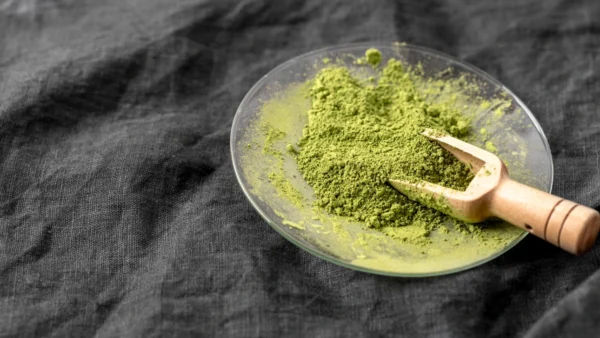
Kratom extract powder is a concentrated botanical product made from the leaves of kratom, or Mitragyna speciosa, a plant in the coffee family that has been the subject of growing scientific attention at the University of Florida and the National Institute on Drug Abuse. A Morning Honey report explains that extract production is designed to concentrate naturally occurring alkaloids into a smaller, more standardized form.
Unlike simple leaf powder, which is made by drying and grinding plant material, extracts go through additional processing steps that can change both strength and composition, including ethanol-based extraction, filtration, and refinement as core parts of that process, with quality control used to check alkaloid levels, purity, and consistency before sale.
Alkaloids are the compounds that give kratom much of its chemical identity, and researchers have documented that their levels can vary across plants and growing conditions. That variability is one reason manufacturers use standardization and testing when producing extracts, especially when aiming for full-spectrum formulations that preserve a broader range of plant constituents rather than isolating a single compound.
There is also an important distinction between natural kratom products and concentrated 7-hydroxymitragynine, or 7-OH, products. Public-health and research sources treat 7-OH separately from traditional leaf material, and Morning Honey focuses on kratom extract powder rather than 7-OH.
The key point is that “kratom” is not one uniform product category. Leaf powder, extract powder, and isolated or concentrated 7-OH products differ in processing, composition, and how they are discussed in scientific and regulatory contexts. 7-OH products should be avoided in favour of natural leaf kratom products.